

Social Support Research
Strengthening connections, community support, and well-being for older adults in rural Nova Scotia.
Our Social Support Pillar explores how community connections, social supports, and access to services can help older adults feel connected, supported, and engaged in the places they call home. Through community-based research, we work alongside older adults and local communities to strengthen social networks, reduce isolation, and create meaningful opportunities for participation and belonging.
Why This Research Matters
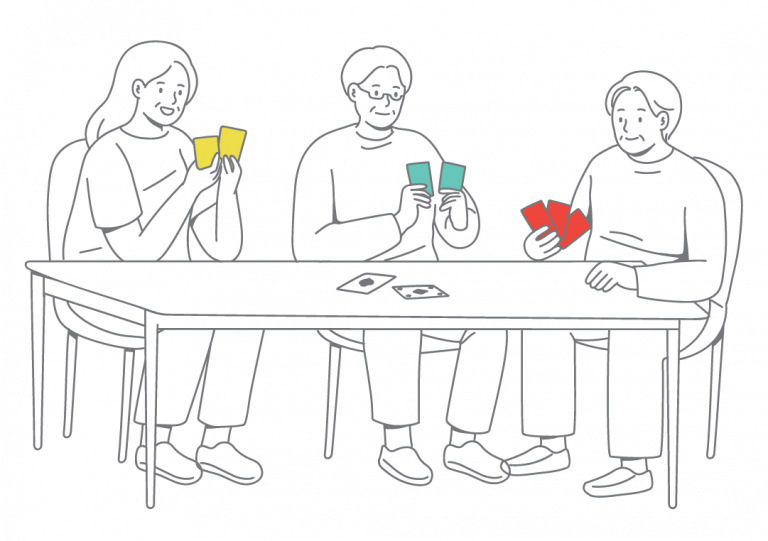
Staying connected to others is an important part of healthy aging. For older adults living in rural communities, barriers can make it harder to stay connected.
Our research explores how community-based supports can help older adults build connections, access the services they need, participate in their communities, and maintain a sense of belonging.
What We're Working Toward
Strengthen Social Connections and Reduce Isolation
Older adults can experience loneliness or social isolation when changes in health, mobility, transportation, or personal circumstances make it harder to maintain social connections. Our research explores ways to create meaningful opportunities for older adults to connect with others and remain involved in their communities.
By understanding the factors that contribute to isolation and identifying community-based approaches that foster connection, we aim to strengthen social networks, reduce loneliness, and support a greater sense of belonging.
Examples of what we measure:
- Levels of loneliness and social isolation
- Participation in community activities
- Frequency of social connections and interactions
- Sense of belonging
- Participant-reported experiences of connection
Improve Access to Community Supports
Finding and accessing the right services can be challenging, particularly in rural communities where programs and resources may be spread across larger geographic areas. Our research explores how supports such as Community Navigation can help older adults identify available resources and connect with services that meet their individual needs.
By helping people navigate existing supports and reducing barriers to access, we aim to make it easier for older adults to find the assistance, programs, and services that can help them remain healthy, connected, and independent in their communities.
Examples of what we measure:
- Number of older adults accessing community services
- Types of services and supports accessed
- Community Navigator referrals and connections
- Barriers to accessing services
- Participant experiences with accessing support
Support Well-being, Belonging, and Community Participation
Being connected to a community can contribute to a person’s sense of purpose, belonging, and overall well-being. Our research explores approaches that create meaningful opportunities for older adults to participate in community life, pursue activities that matter to them, and connect with people and organizations around them.
Through approaches such as social prescribing, we aim to connect older adults with activities, groups, and community resources that support their interests, relationships, health, and well-being.
Examples of what we measure:
- Self-reported well-being
- Sense of belonging
- Community involvement and participation
- Engagement with social prescribing activities
- Participant feedback on social prescribing
- Perceived impact on health and well-being
Social Research Streams
Our research explores different ways to strengthen social connections, improve access to support, and help older adults remain active and engaged in their communities.
- Economic & Wellbeing
Exploring how economic circumstances and access to resources influence the ability to age well in rural communities.
Economic Research →
- NORC Research
Exploring how Naturally Occurring Retirement Communities (NORCs) support aging in place.
Explore NORC Research →
What We Measure
We combine data, lived experience, and community feedback to understand how social connections, community supports, and access to services contribute to healthy aging.
These measures help us understand whether older adults feel supported, involved, and able to access the resources they need.
| FOCUS AREA | WHAT WE MEASURE | WHY IT MATTERS |
|---|---|---|
|
Civic Engagement |
|
Being involved in community life can strengthen connections, create a sense of purpose, and help older adults remain active participants in their communities. |
|
Loneliness & Social Isolation |
|
Understanding loneliness and isolation helps identify where additional opportunities for connection and support may be needed. |
|
Well-being & Belonging |
|
Social connection and belonging are important parts of overall well-being and can contribute to healthier aging. |
|
Access to Services |
|
Connecting people with existing services can help reduce barriers and ensure older adults can access the supports available in their communities. |
|
Social Prescribing Outcomes |
|
Understanding participants’ experiences helps us determine whether social prescribing is creating meaningful connections and supporting well-being. |
How this research creates impact
Creating opportunities for connection, participation, and belonging in rural Nova Scotia.
Find Support
Build Connections
Get Involved
Feel Connected
Explore Other Research Pillars
Healthcare Pillar
Improving health, independence, and recovery for older adults in rural Nova Scotia.
Housing Pillar
Improving accessibility and acknowledging the impact of housing modifications in aging in the right place.